
The Foundation of Quality Concentrate Feed Production: Right Raw Materials, Reliable Laboratory Analysis
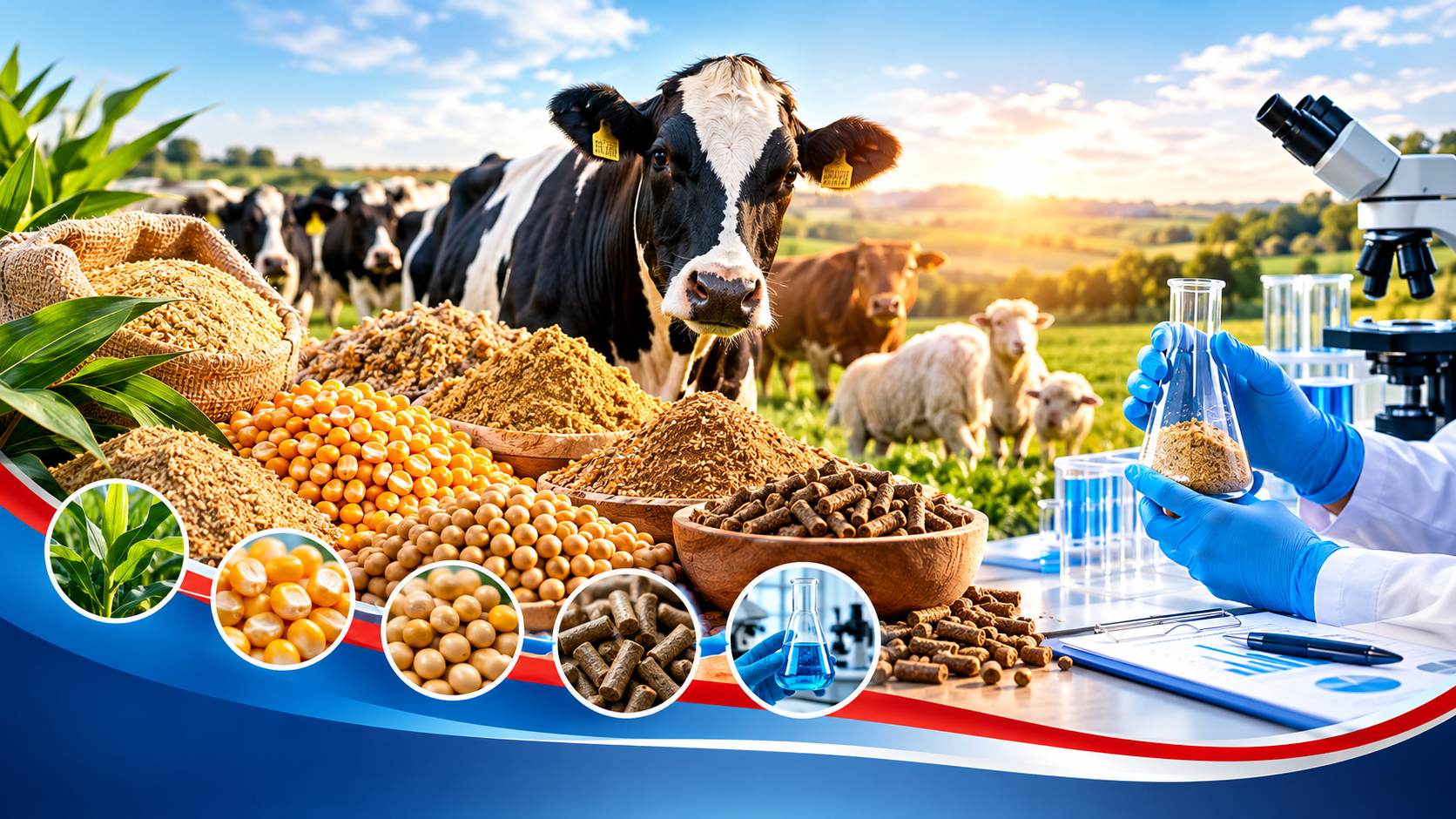
Quality Feed Starts with Quality Raw Materials and Ends with the Laboratory.
Let’s Discuss the Importance of Raw Material Quality and Laboratory Analyses in Akıllı Yem Production
The foundation of a successful ration in animal feeding relies not only on the correct TMR, but also on the quality of the raw materials used. Because one of the most important elements determining the true nutritional value of a feed is the nutrient content, high digestibility, and reliability of the raw materials used in its production.
Every Raw Material May Not Be of Equal Quality
The nutritional values of soybean meal and other raw materials used in concentrate feed production are not always constant. Many factors such as the region where it is grown, climatic conditions, harvest time, processing method, and storage conditions directly affect the quality of the raw material.
For example, two different protein sources purchased under the same name may have different crude protein contents, digestibilities, and nutritional values.
Therefore, in quality feed production, it is necessary to know not only what the raw material is, but also what nutritional values it possesses. To achieve this, the laboratory is indispensable.
Why Are Laboratory Analyses Important?
Raw material analyses in Akıllı Yem and concentrate feed production form the basis for creating an accurate and balanced formulation.
Through analyses performed in a laboratory environment, the raw materials’;
- Crude protein and crude fat levels: Nutrient contents,
- Starch and fiber values: Characteristics in terms of energy potential and digestion,
- Dry matter and moisture levels: Nutrient density and suitability for storage,
- Ash and mineral contents: Mineral matter levels,
- Mycotoxin analyses: Toxin risks that may threaten animal health
can be evaluated.
Thanks to these analyses, the true nutritional values of raw materials can be determined more accurately, allowing ration formulations to be prepared based on scientific data.
Quality Raw Materials, Consistent Animal Production
Concentrate feeds undertake an important role in balancing the ration due to their high nutrient densities. Therefore, quality differences in the raw materials used can directly affect the nutrient balance of the final feed.
Inadequate raw material control can lead to ration imbalances, decreased feed utilization, performance losses, and various risks in terms of animal health.
Monitoring raw material quality through analyses contributes to ensuring standardization in feed production, preserving nutrient values, and developing products suitable for the needs of animals.
Conclusion: Consistent Protein Quality Means Sustainable Yield.
The understanding of quality in Akıllı Yem and concentrate feed production should not be limited to merely controlling the finished product. Every stage, from raw material selection to laboratory analyses, and from correct formulation to production and storage processes, must be meticulously managed.
Because sustainable productivity in livestock farming comes through reliable and balanced feeding.
Quality feed is not produced by chance. It emerges through the right raw material selection, scientific analyses, and correct formulation.